The 2026 Wedding: 12 Trends That Are Actually Changing How Couples Get Married
If you asked a wedding planner three years ago what was on-trend, you’d have got a list of aesthetics — colour palettes, flower types, table styles. Ask the same question in 2026 and the answers are different in a way that says something. Planners are describing a shift in what couples actually want out of the day, not just how they want it to look. The word that keeps coming up is intentional.
The couples booking weddings this year are less interested in copying a viral aesthetic and more interested in a day that feels honestly theirs. That plays out in dozens of small ways — from the food, to the lighting, to whether they hire a live painter or a photo booth — but the underlying shift is the same. Weddings are moving away from being performances and back toward being celebrations.
Here are 12 trends shaping how weddings look and feel in 2026, drawn from what couples are actually asking us for at Selden Barns and what the industry as a whole is reporting. Some are aesthetic. Some are structural. All of them are worth knowing about if you’re planning your wedding this year or next.
1. Intentionality Is the Whole Frame
Before any specific trend, the shift underneath everything else. The 2026 couple is asking a different question than couples five years ago. Not “what should a wedding look like?” but “what should our wedding feel like?” That difference reshapes almost every decision downstream.
The couples we’re booking this year are, on the whole, more comfortable dropping traditions that don’t mean anything to them and more interested in adding rituals that do. They’re more willing to do smaller. More willing to invest in fewer, better things. Less interested in ticking boxes.
Every trend below sits inside that shift.
2. Guest Experience Over Social Media
The most quoted trend in the industry press this year, and the one couples we speak to keep circling. Weddings designed primarily for how they’ll perform on Instagram are quietly falling out of favour. In their place: weddings designed for how they feel to the hundred people in the room.
The practical version of this is small but consistent. Table plans that get people talking rather than looking. Food that gets served warm and generously rather than shot from above and served late. Music that moves the room rather than the algorithm. A general reordering of priorities that puts the guests ahead of the phone.
The photos still happen. They just aren’t the point any more.
3. Food as Décor
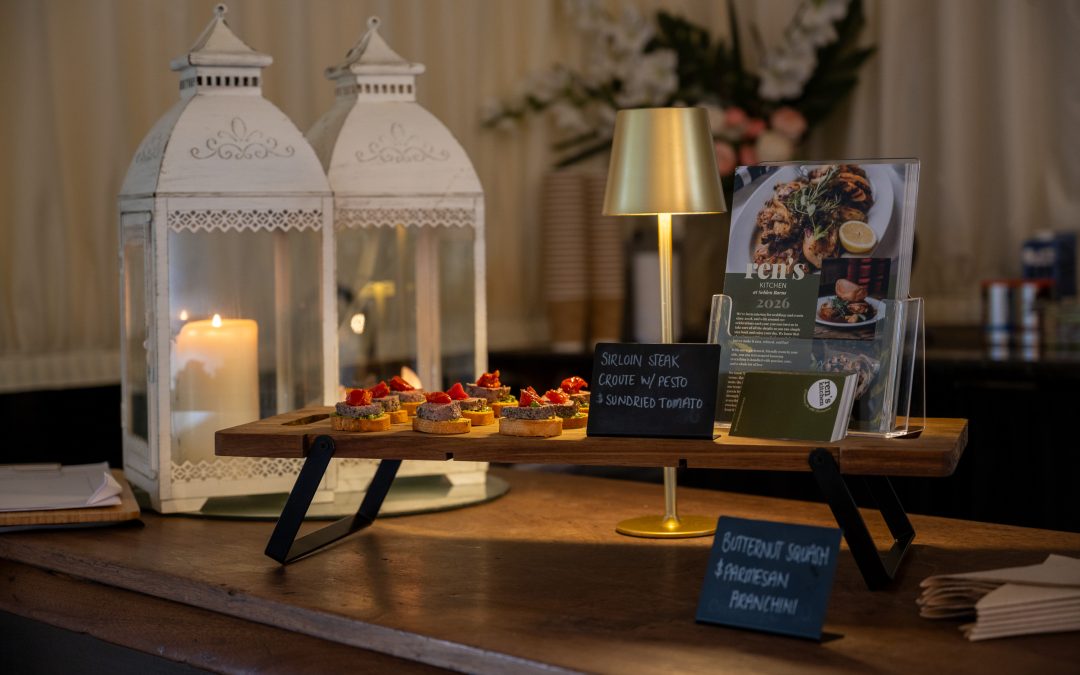
This is the trend planners keep bringing up in a specific way. Food is now part of the visual language of the day rather than something served in the middle of it. Sculptural presentations, unexpected styling, colour-forward plating, curated stations designed to be walked through.
The return of the buffet — not the sad hotel buffet, but the properly designed grazing table with fifteen varieties of local cheese and a florist’s touch — is one of the clearer manifestations. The formal sit-down four-course meal is not disappearing, but it’s no longer the default. Couples want food that feels generous, that keeps moving, that guests encounter as an experience rather than passively receive.
4. Bold Lighting as the Design Element
Lighting used to be the thing you noticed only when it went wrong. In 2026 it’s being treated as the design element that changes everything else.
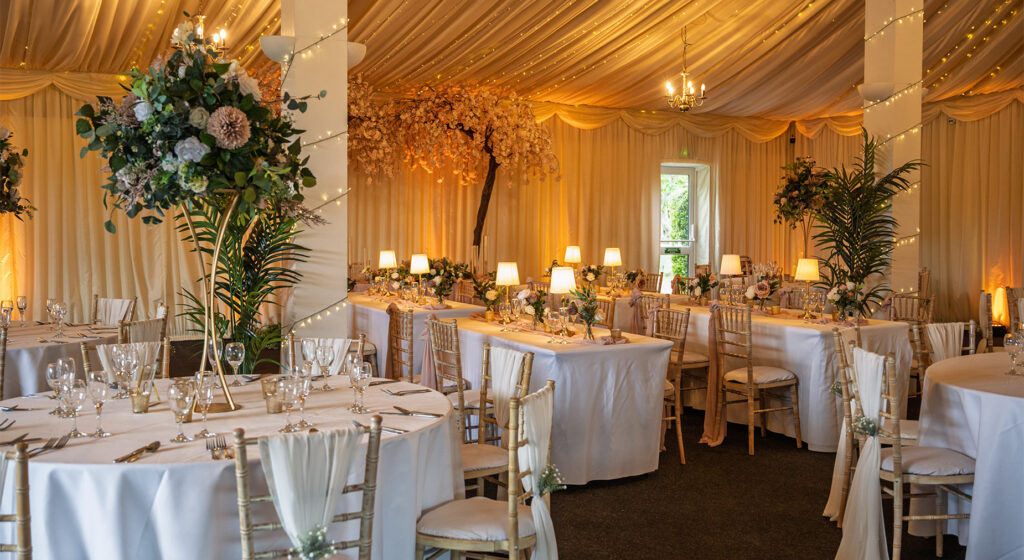
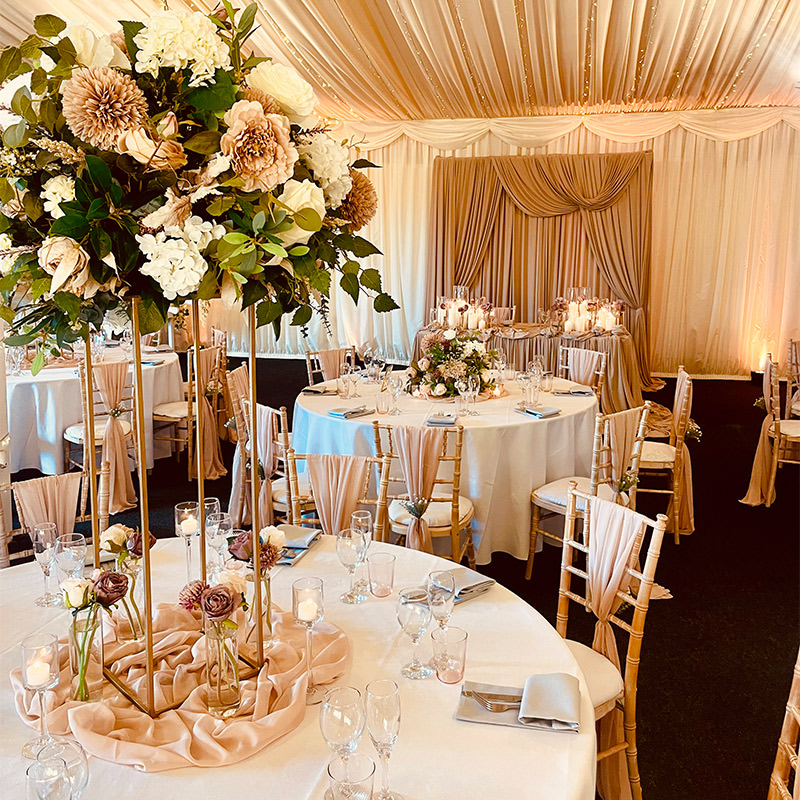
Festoon canopies over dining tables. Uplighters that shift the whole colour temperature of a room from afternoon to evening. Hanging installations that turn a barn ceiling into something architectural. Candles in numbers that would once have felt excessive. Even the lighting choices for outdoor drinks — how the pergola glows as the sun drops — being planned rather than left to chance.
It’s often the single most photographable investment couples make, and it’s how a space at 10pm feels utterly different from the same space at 4pm.
5. Cool Metals Replacing Warm Gold
The great gold moment of the mid-2020s is winding down. In its place: silver, chrome, stainless steel, brushed metal. Cooler, more architectural, slightly more editorial. Cutlery, cake stands, candelabras, hardware.
The interesting thing about the shift is how it changes what pairs with what. Cool metals sit against exposed wood, stone and grey linens beautifully — arguably better than warm gold did. A barn wedding with silver metallics, deep colours and a bit of candlelight looks properly editorial in a way that felt harder to pull off with gold.
6. Two Dominant Palettes: Earthy Romantic and Luminous Glow
Colour has bifurcated into two clear camps.
Earthy Romantic. Plums, olives, deep burgundies, moss, aubergine, rusts. Grown-up, moody, autumnal-adjacent. Reads as considered and slightly sensuous. Pairs beautifully with candlelight and cool-metal tableware.
Luminous Glow. Opalite, mother-of-pearl, cool ice blues, soft pearl, moonstone. Ethereal, cool-toned, slightly icy. A more distinctive choice and less commonly seen — which is exactly why couples are gravitating toward it.
Both work in a barn, and both work in either season. The choice tends to say something about the personality of the couple rather than the time of year.
7. Sculptural Florals and Minimalist Botanicals
The lush, garden-style bouquet is being joined by something more structural. Calla lilies, single-stem architectural flowers, 3D floral appliqués on cakes and stationery, foliage-heavy arrangements with sculptural rather than romantic shapes.
This isn’t the anti-flower moment — florists are still central to the design of the day — but it’s a shift in what “flowers at a wedding” means. Less of everything, more of the right thing. Often cheaper too, as sculptural work uses fewer stems.
8. Scenic Walls
An architectural backdrop rather than a floral one. Scenic walls — designed set pieces referencing European villas, historic estates, modern galleries — are becoming the alternative to the traditional flower wall behind the ceremony or the top table.
The honest question, if you’re getting married in a barn or another space that already has beautiful walls, is whether you actually need one. At a hotel with plain function-room walls, a scenic wall transforms the space. At a barn with exposed beams and stone, it can compete with the venue rather than complement it. Worth considering carefully.
9. Nostalgic Celebrations
One of the loveliest shifts of the year. Couples are drawing inspiration from history, family homes, heirlooms, old-world entertaining — and interpreting it through a modern lens. Weddings at family estates, childhood homes and spaces that already hold memories are on the rise, chosen for emotional weight rather than production value.
The food side of nostalgia is particularly noticeable. Comfort food served with a playful twist. French fries in silver cups. Family-style pasta bowls. Menus that reference where the couple grew up rather than aspiring to abstract sophistication.
None of this is nostalgic for its own sake — it’s nostalgia interpreted rather than reproduced, so it feels current and personal rather than dated.
10. Personal Rituals Over Inherited Traditions
Related to the intentionality theme but worth pulling out on its own. Couples are actively rewriting the parts of a wedding that don’t mean anything to them, and adding rituals that do.
Bouquet tosses are dropping off. Garter throws have largely gone. Traditional father-daughter dances are giving way to first dances that include the whole wedding party, or being skipped altogether. Speeches are being rebalanced so anyone with something to say can say it, not just three men.
In their place: hand-fasting, ring-warming ceremonies, unity ceremonies with sand or candles, personal readings, moments of silence for family members who aren’t there, personalised vows. The traditions that stay are the ones that mean something to the couple. Everything else is being politely retired.
Our post on writing your own wedding vows covers one of the most common personalisations in more depth.
11. Fashion-Forward Grooms
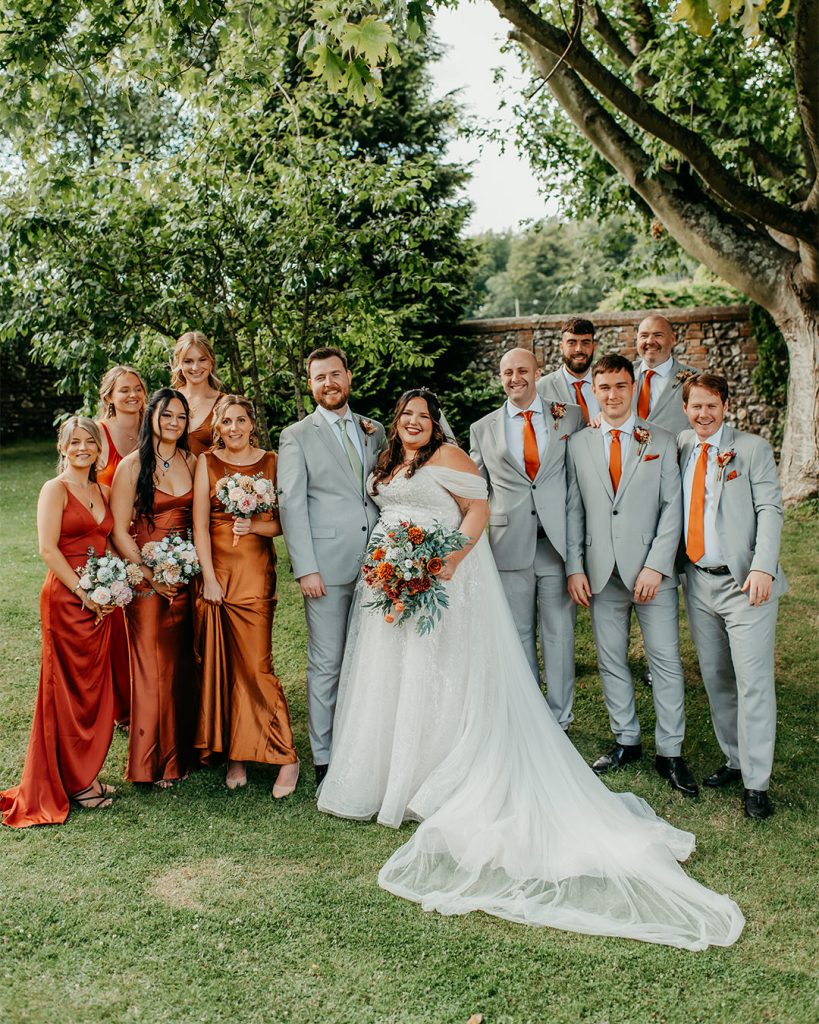
Grooms are no longer treating the suit as an afterthought. Custom tailoring, printed linings that reference personal history, statement shoes, jewel-tone tuxes, second outfits for the evening — grooms are being treated as fashion figures on the day rather than supporting characters in their partner’s outfit story.
Accessories are part of the storytelling now too. Heirloom watches, embroidered cuffs, unexpected boutonnières, pocket squares that echo the design of the day. The result is a couple whose outfits feel like a pair rather than one dressed and one accompanying.
For grooms who’ve been given the “just wear a suit” line their whole life, this is a proper reframe worth knowing about.
12. The Wedding Cake, Reimagined
The three-tiered white wedding cake as a centrepiece is quietly stepping back. In its place: smaller, sculptural cakes made for the couple alone (guests are served desserts elsewhere), or dessert bars and grazing dessert tables replacing the cake entirely.
The cakes that are still happening are often more interesting. Asymmetric shapes, metallic finishes, deliberate imperfection, textures that reference candle wax or sculpture rather than icing perfection. Some cakes now look more like objects than they do like traditional confections.
Not every couple wants to go this route — a traditional cake is still a beautiful thing — but the assumption that you need a big white one is largely gone.
What Ties It All Together
Read the trends as a group and one thing stands out. Almost every 2026 shift is a move away from default toward chosen. From doing the wedding a certain way because that’s how it’s done, to doing it a certain way because it means something to the two people getting married.
This is, arguably, a healthier place for the wedding industry to be. The default wedding of the 2010s was designed to look good on a laptop screen. The intentional wedding of 2026 is designed to be a day the couple and their guests actually enjoy — with photographs that end up being better as a by-product, because everyone in them looks like they’re where they want to be.
What Any of This Means for a Sussex Barn Wedding
Most of these trends translate directly to the kind of weddings we host at Selden Barns. A barn is a naturally intentional space — it doesn’t hide behind hotel branding or corporate function-room aesthetics. It rewards couples who want the day to feel like theirs, in a setting that already has warmth and history built in.
The specific pieces of Selden Barns that pair well with 2026 trends:
- Exclusive use of the whole venue means the day is designed around your guests, not around the hotel’s other business.
- Three ceremony spaces allow you to shape the ceremony to match the mood you want, whether that’s an outdoor lawn ceremony with a personal ritual or an intimate indoor exchange.
- One barn for dining, dancing and the bar fits with the guest-experience-first approach — no shuffling people between rooms, no dead space between courses.
- On-site accommodation supports the “wedding weekend” model that lets nostalgic, intimate celebrations stretch beyond a single day.
- Our in-house catering can absolutely handle the sculptural stations, grazing tables and comfort-food-with-a-twist approach — just tell us what you’re picturing.
If you’d like to see how the space would work for the day you’re planning:
Book onto our next open evening →
We’ll be running through each of these trends in more depth across the summer, with individual posts on guest-first design, food as décor, bold lighting, nostalgic celebrations and fashion-forward grooms. The through-line, always, is the same one couples keep telling us — the day should feel like yours, not like someone else’s.