
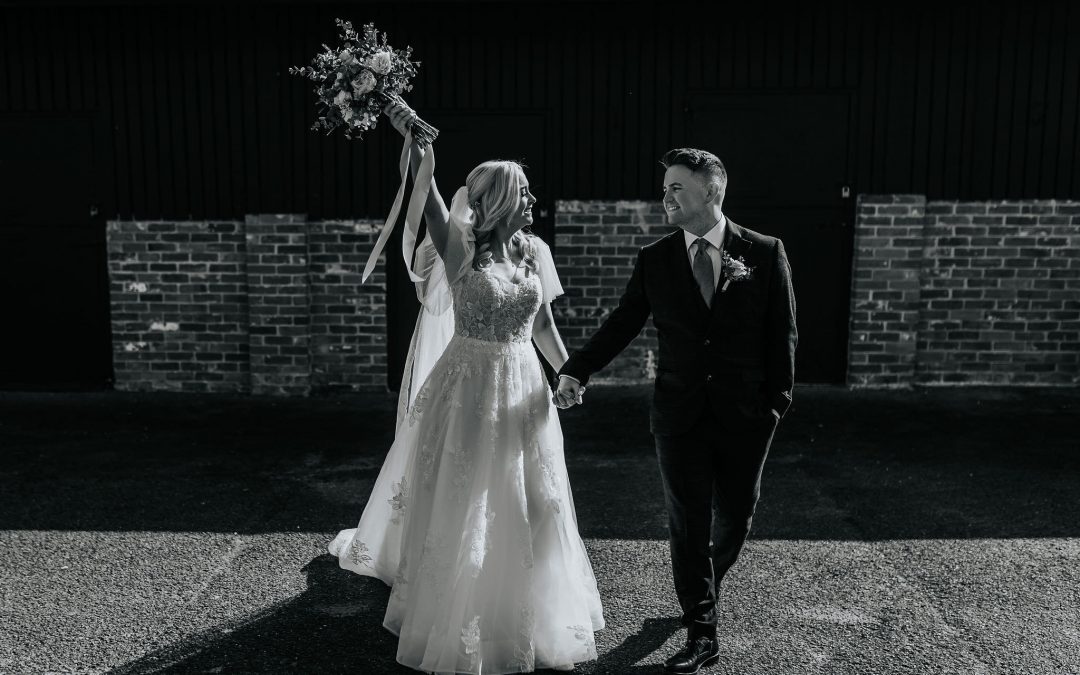
Designing Your Wedding for the Day, Not the Feed: Why 2026 Couples Are Prioritising Guest Experience
Ask any wedding planner or venue what’s shifting most about how couples plan in 2026 and you’ll hear a version of the same answer. Weddings designed primarily for how they’ll perform on social media are quietly being replaced by weddings designed for how they feel to the hundred people in the room.
It’s not that Instagram doesn’t matter any more. It’s that the couples who prioritise it above everything else tend to end up with a wedding that doesn’t feel much like theirs on the day. Guests notice. Grandmothers particularly notice. And the couple, six months later looking at the photos, notice too.
This post is about the shift back — what a guest-first wedding actually looks like, why 2026 couples are increasingly choosing that route, and how it lines up with the way we host weddings at Selden Barns.
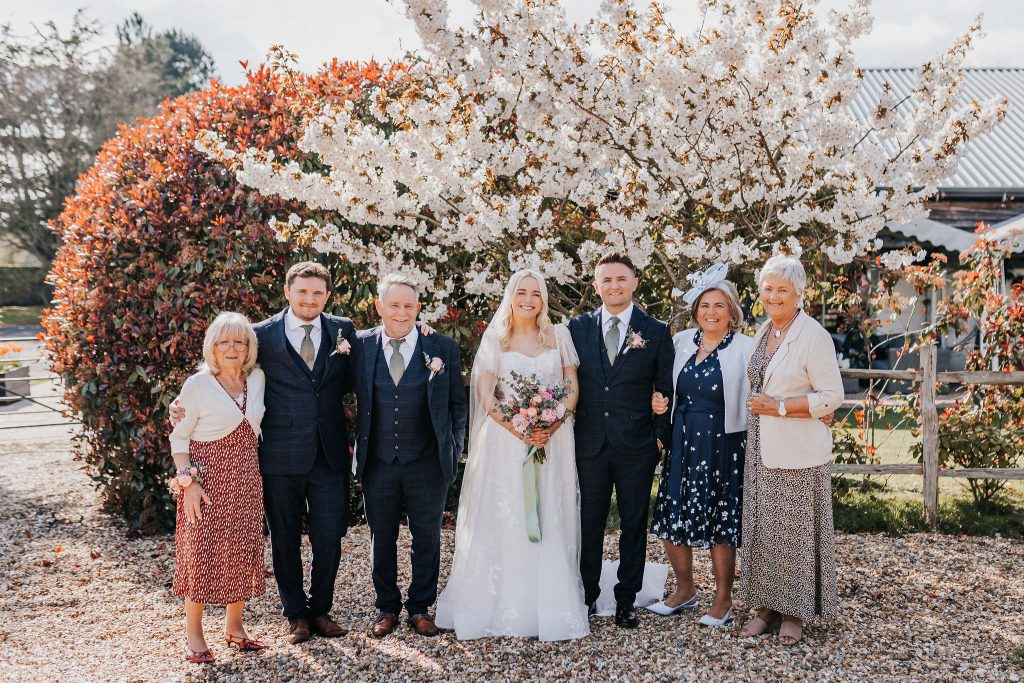
What a Social-Media-First Wedding Looks Like
Worth being honest about this so we can talk about what’s changing.
A social-media-first wedding is one where the design choices are made with the camera in mind before the guests. The centrepieces are chosen because they look striking overhead, not because they let people talk across the table. The food is styled for the shot rather than the plate. The lighting is set for the phone camera rather than the mood. The first dance happens at the moment the photographer says it should, not the moment the room is ready. The party effectively runs to a shot list.
None of this is inherently bad. Beautiful photographs are a proper by-product of a good wedding. But when the shot list becomes the running order, several things start to slip. Guests eat late because the golden-hour photos took priority. The bar is quiet because everyone’s queuing for a photo op. The dance floor stays empty until the couple returns from their scheduled “just us” moments outside. The wedding ends with hundreds of beautiful images and a slightly hollow memory of what actually happened.
The 2026 couple is looking at this and consciously choosing differently.
What a Guest-First Wedding Looks Like Instead
The shift, in the couples we’re currently booking, isn’t dramatic. It’s a series of small reprioritisations that add up.
Table plans built for conversation. Round tables that let everyone see each other. Long tables where the group can talk down the length. Not rows that photograph brilliantly but leave two-thirds of guests staring at the back of someone’s head.
Food that arrives warm and generous, on the couple’s timeline rather than the photographer’s. Menus with things guests actually want to eat rather than things that plate well. Second helpings encouraged. A wedding cake that’s cut so people can have a piece, rather than staged for the camera and then whisked away.
Music chosen for the room, not the reel. Bands and DJs briefed to read the crowd rather than deliver a set. A dance floor allowed to build naturally through the evening rather than being packed on cue for a shot.
Ceremony spaces designed for the guests to see and hear. Chairs closer to the couple. Aisles with less choreography, more emotion. Readings that mean something to the couple and their families rather than the ones that sound most quotable.
Photography that’s briefed to capture the day as it unfolds rather than direct it. Fewer staged group shots, more candid documentary work. Photographers who blend in rather than run the schedule.
The day feels different when it’s built this way. Slower. Warmer. More about the people than the production.
Why This Shift Is Happening in 2026
A few reasons, honestly.
Pandemic-era weddings changed the reference point. Couples who had smaller, quieter weddings out of necessity during 2020-21 discovered something. Smaller weddings often felt better. Everyone got fed. Everyone got a proper conversation with the couple. The atmosphere was different. Those weddings became a benchmark that plenty of couples now aspire to even at larger scales.
Instagram fatigue is real. The generation getting married now has spent most of their adult lives on social media. They know the difference between a curated image and a real experience, and increasingly they don’t want their wedding day to be the former.
Guests have had enough of certain wedding conventions. Sitting through five hours of speeches and delayed courses because the photographer needed the couple outside during dinner isn’t fun. Guests remember. Bad wedding experiences discourage other couples’ guests from prioritising social-media production at their own weddings.
The wedding industry has matured. Planners, photographers and coordinators are much more willing now to advocate for a guest-first approach than they were five years ago. The best photographers explicitly market themselves as unobtrusive. The best planners talk about the guest experience first.
Couples are older, more confident, and more willing to push back. The average marriage age has crept up and couples arriving at the venue-search stage now often already have opinions about what they want, and those opinions are increasingly not about the algorithm.
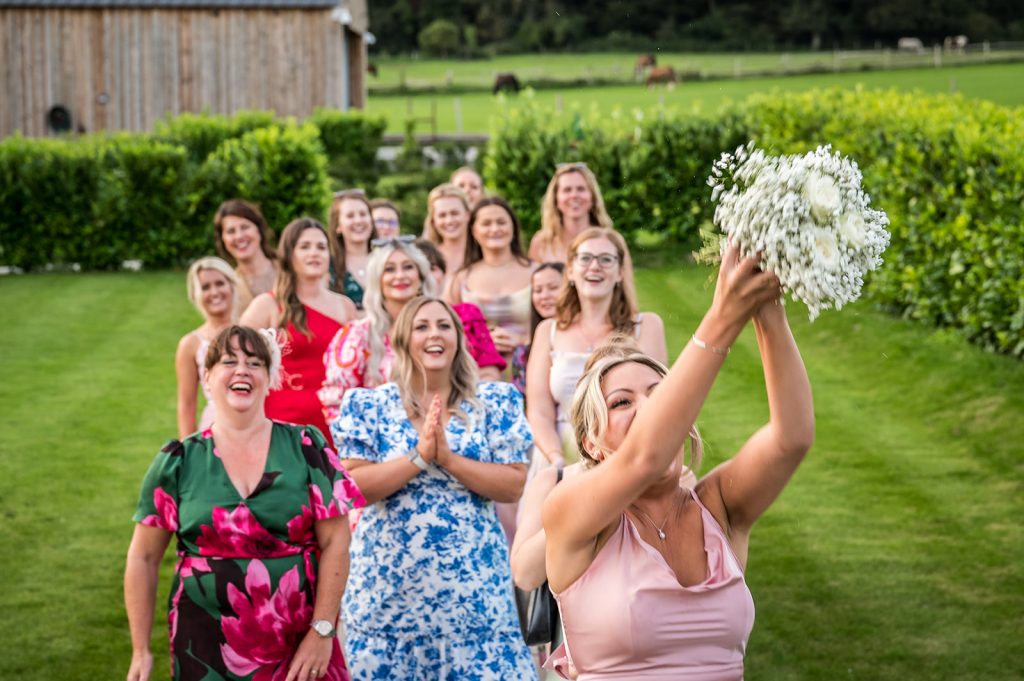
What Guest-First Design Actually Requires
Not everything gets easier — some of it takes more thought.
A venue that lets you make these choices. Hotels and shared venues have their own timelines that revolve around their business, not yours. If dinner has to be served at 7pm because there’s another wedding in the space at 9am, you don’t have the control you need. This is one of the biggest reasons couples increasingly choose exclusive-use venues — the whole day runs to your rhythm rather than someone else’s.
A coordinator who buys into the approach. The venue coordinator or wedding planner needs to be someone who’ll defend your guest-first choices when a supplier pushes back. If your photographer wants the couple away from the reception for 90 minutes and you’d rather stay with your guests, the coordinator needs to be the one arbitrating that.
A shape to the day that isn’t packed too tight. The couples who most enjoy their wedding are the ones who leave 30-minute buffers between events. Room to breathe. Room for a conversation that runs on. Room for the unexpected. Over-scheduled weddings feel over-scheduled to guests too.
A photographer briefed properly. Tell them, on your first call, that the priority is documentary over staged, that they should aim to be invisible, and that if you’re stuck in front of a lens when you want to be dancing, they’ve missed the brief.
Food and drink that’s genuinely good. No amount of guest-first thinking rescues a wedding where the meal is cold or the bar has run out of white wine by 8pm. This is where in-house venue catering — which is designed around the couple’s day rather than the caterer’s logistics — usually wins.
Music that suits your crowd, not the internet’s. Choose a band or DJ who’ll play for the room rather than a set list they always deliver. Our post on choosing between a band, DJ and acoustic act covers how to think about that decision honestly.
The Photos Still Happen
The unspoken worry about deprioritising social media is that the wedding photos will suffer. In practice, the opposite is true.
Weddings that are designed guest-first tend to produce warmer, more emotional, more genuine photographs than weddings that are designed photo-first. Guests are relaxed. Faces look present rather than performing. The couple isn’t tired from being directed through fifty pose combinations. The images feel like the wedding rather than the wedding version of a magazine spread.
The best wedding photographers know this. Ask them and they’ll tell you their favourite galleries are almost always from weddings where the couple got out of the way and let the day happen.
You’ll still get all the shots — the ceremony, the first dance, the group photos, the portraits. What you won’t get is a day that was performed at your guests rather than experienced with them.
How This Plays Out at Selden Barns
The reason this shift resonates with us particularly is that Selden Barns was, in a lot of ways, already built around it.
The venue is exclusive use — one wedding at a time, no hotel timeline to work around. The main barn holds dining, dancing and the bar in one space, which keeps the party together and stops guests being scattered across rooms. The on-site accommodation lets the day stretch into the evening before and the morning after, which shifts the emphasis away from a single frantic afternoon toward a proper wedding weekend.
The included coordinator understands what a guest-first day looks like, and will help you push back on any part of your plan that risks becoming a photo shoot rather than a wedding. In-house catering means the food isn’t compromised by someone else’s logistics. The grounds and multiple ceremony spaces let you shape the day around the mood you want rather than a fixed template.
None of that means the wedding won’t be beautifully photographed. It just means the photographs will be a record of a lovely day rather than the point of a staged one.
A Small Test Before You Book Anything
Here’s a useful sanity check for any wedding decision.
Ask yourselves: “Are we doing this because we actually want to, or because it will look good?” If the honest answer is the second one, and the guest experience doesn’t benefit, consider skipping it. That saves you money on the wedding and gives your guests a better day.
Applied at scale, that one question shifts a lot of what a wedding costs, how it feels, and what people remember about it afterwards.
Come and See the Space
The easiest way to picture a guest-first day is to stand in the venue where it’d happen. Walk the barn, the lawn, the pergola — and imagine your people in it, relaxed, well-fed, dancing, staying up too late.
Book onto our next open evening →
The wedding you’ll be proudest of a year later isn’t the one that got the most likes. It’s the one your guests still bring up when you see them at Christmas. Design for that, and the rest looks after itself.